

Refractive Errors at Eyestyles of Union in Union NJ
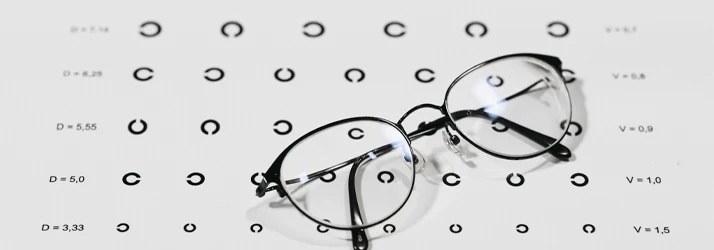
Blurry vision often occurs when the eye cannot bend light properly. These issues are called refractive errors. At Eyestyles of Union, we explain what’s happening with your eyes in easy terms and guide you toward the best solution. If you need glasses or contacts, we can help you see clearly again.
What Refractive Errors Mean for Your Vision
Refractive errors are very common and mean that your eyes do not bend light correctly. When light entering the eye is not focused correctly, things can look blurry, fuzzy, or stretched. This happens because the eye may be too long or too short, or have a cornea that doesn’t focus light properly.
The four main refractive errors are nearsightedness, farsightedness, astigmatism, and presbyopia. Each one affects vision differently. Nearsighted people have trouble seeing faraway objects. Farsighted people struggle with objects close to them. Astigmatism can cause blurry vision at all distances because the cornea is irregularly curved. Presbyopia happens as people get older and makes reading up close more difficult.
Even though refractive errors can be frustrating, they are easy to manage. Glasses, contact lenses, and other treatments help bend the light correctly so you can see clearly. Many people have refractive errors at some point in their lives, and regular eye exams help maintain comfortable vision.
If you ever notice blurry vision or strain, it could be a sign that your eyes need correction. Knowing what refractive errors are can help you feel confident during your visit and understand your treatment options.
Common Types of Refractive Errors and How They Affect Daily Life
Refractive errors affect millions of people and can change the way you see the world. Each type affects your daily activities differently. Some people struggle with reading, while others have trouble reading road signs or recognizing faces from a distance.
Here are the most common types you should know about:
- Nearsightedness makes distant objects look blurry.
- Farsightedness makes close work, such as reading, more difficult.
- Astigmatism can make everything look blurry or stretched.
- Presbyopia makes near vision harder as you age.
Even small changes in your vision can affect daily tasks such as schoolwork, driving, and screen use. You may squint, blink more often, or feel tired after using your eyes for long periods. Many people don’t realize these signs are caused by refractive errors.
The best part is that glasses or contact lenses can correct the way your eyes focus light. Once corrected, everyday tasks become more comfortable and clear again. Refractive errors are easy to diagnose during a routine eye exam. Keeping your prescription up to date helps you stay safe, comfortable, and confident in everything you do.
Signs You May Have a Refractive Error in Union NJ
Refractive errors can happen slowly or suddenly, and many people don’t recognize the signs right away. Paying attention to small changes in your vision can help you get the right treatment early and avoid discomfort. These signs may seem mild at first, but they often become more noticeable over time.
Watch out for signs such as:
- Blurry or fuzzy vision at certain distances.
- Squinting to see clearly.
- Frequent headaches.
- Eye strain after reading or using screens.
Some people may feel as if objects are “distorted,” or that they need to blink often to clear their vision. You may also notice trouble seeing at night while driving or feel tired after activities that require focus. Children may hold books close, struggle in school, or avoid reading because things look blurry. Adults may notice difficulty with small print or faraway objects.
If you see any of these signs, it’s important to get your eyes checked. Refractive errors are simple to correct, and early care helps improve comfort and clarity. Once corrected, you can see the world more clearly and enjoy daily tasks without frustration.
How Eye Doctors Test for Refractive Errors During an Exam
Eye doctors use several simple tests to check for refractive errors. These tests help them understand how well your eyes focus light and what kind of correction you need. The process is comfortable and takes only a short time.
The exam usually begins with reading letters on a chart. This helps measure how clearly you can see at different distances. Then, your doctor uses a special device with many lenses. They switch the lenses and ask which ones make the letters look clearer. This helps fine-tune your prescription.
Your doctor also shines a light into your eye to check how it responds. They may use a machine that quickly measures how light bends as it enters your eye. These tools help detect if you are nearsighted, farsighted, or have astigmatism.
Another part of the exam checks how your eyes work together and how well they focus. These details help your doctor choose the right prescription that fits your unique needs. By the end of the exam, your doctor will have a complete picture of your vision. This helps ensure your glasses or contact lenses give you the clearest, most comfortable vision possible.
Modern Technology That Improves Accuracy in Measuring Refractive Errors
Modern eye-care technology has made diagnosing refractive errors more accurate than ever. Advanced tools help eye doctors measure your eyes with great precision. These devices capture detailed information about how your eyes bend light, the shape of your cornea, and how your vision changes over time.
Some of the helpful technologies include:
- Digital vision scanners that measure tiny focusing errors.
- Corneal topography devices that map the shape of your cornea.
- Wavefront analyzers that detect small distortions in your vision.
- Automated machines that quickly estimate your prescription.
These tools help your doctor find even the smallest changes in your eyesight. With better information, your prescription becomes more accurate, leading to sharper vision and greater comfort. Technology also makes the exam quicker and easier because many measurements are done automatically.
These modern tools also help detect early signs of eye problems, allowing your doctor to closely monitor your vision. This ensures your prescription stays up to date and gives you the clearest sight possible every day. To experience advanced eye exams and accurate testing for refractive errors, visit Eyestyles of Union.
Treatment Options for Refractive Errors and How They Help
Refractive errors are easy to manage, and many treatment options can help you see clearly. The goal of each treatment is to bend light the right way so it focuses correctly on your retina. Once this happens, your vision becomes sharper and more comfortable.
- Glasses are the simplest and most common way to correct refractive errors. They come in many styles and can be adjusted quickly if your prescription changes.
- Contact lenses also correct vision and are useful for people who prefer not to wear glasses. They come in many types, including daily, weekly, and monthly options.
- Reading glasses help with presbyopia, which makes near tasks harder as you age. They provide a clear vision up close.
Some people may choose other treatments, such as specialized contact lenses or corneal reshaping procedures. Your doctor can help decide which option fits your lifestyle and needs.
With the right treatment, you can enjoy clear vision at home, school, work, and while driving. Regular eye exams help ensure your treatment stays effective as your eyes change.
Get Help With Refractive Errors!
Ready to understand your vision better? Contact Eyestyles of Union to book your visit.
Contact Information:
Eyestyles of Union
2115 US-22 #3

OFFICE HOURS
Monday
10:00am - 5:00pm
Tuesday
10:00am - 5:00pm
Wednesday
10:00am - 6:00pm
Thursday
10:00am - 5:00pm
Friday
Closed
Saturday
10:00am - 4:00pm
Sunday
Closed

Eyestyles of Union
2115 US-22 #3
Union, NJ 07083